The surface definition of culture includes the values, beliefs, customs, and traditions of a
person’s background. However, the concept of culture has many layers. While core values often
remain constant, culture evolves with each new generation. Furthermore, culture extends beyond
race and ethnicity; it encompasses family traditions, religious beliefs, language, gender, and
socioeconomic background. One way to understand culture is as a force that shapes an
individual’s way of thinking, beliefs, and sense of belonging.
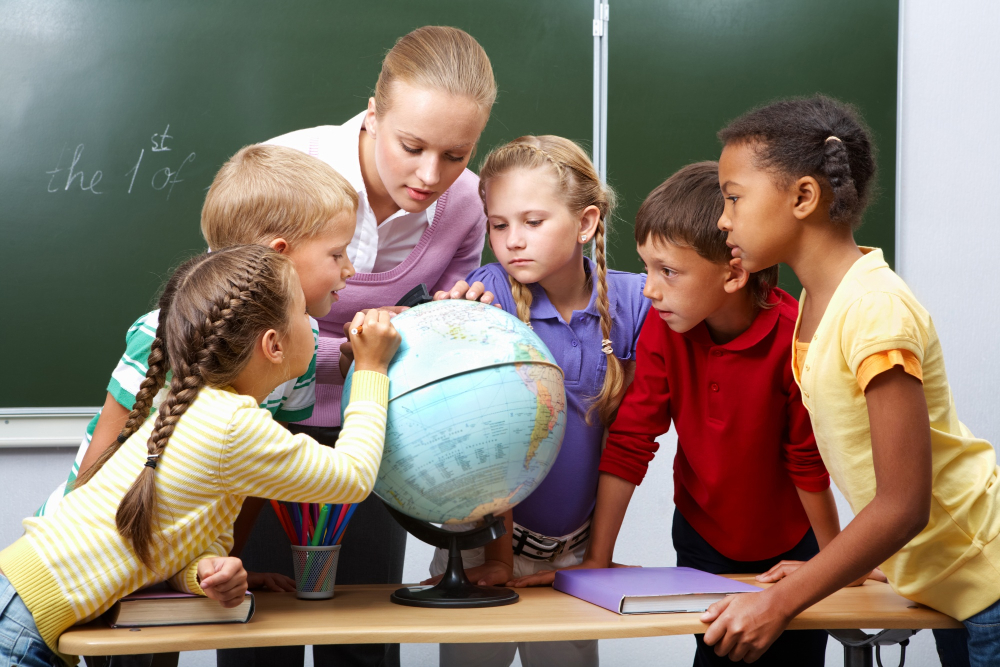
Every classroom is culturally diverse, with each student bringing a unique cultural
identity that influences their learning, communication, problem-solving, and social interactions.
When a teacher commits to understanding cultural diversity, they can appreciate these
differences and use them as strengths in their teaching, interactions, and relationship-building
with students.
Elements of culture, such as language, communication style, family values and
expectations, beliefs, celebrations, food, music, history, and ways of thinking, are all
interconnected. Culture shapes people’s approaches to learning, their views on authority, and
their conflict resolution strategies. Teachers must acknowledge that culture is dynamic and
evolves throughout a person’s life. This understanding enables teachers to design instruction that
is more relevant, engaging, and meaningful.
In a classroom, culture should be reflected in the learning environment and instructional
practices. One effective way to create a culturally responsive classroom is by using displays that
represent the diverse identities of students. Including inclusive books in the class library, using
culturally diverse examples in lessons, and celebrating various cultural holidays are effective
methods for fostering a culturally responsive classroom. When students have opportunities to
share their cultural experiences and traditions, they learn mutual respect and empathy. This also
paves the way for effective differentiated instructional strategies that meet diverse learning needs
and encourage collaboration among students. Additionally, building positive relationships with
students and their families is crucial for strengthening cultural understanding and supporting
student success.
I am an energetic and goal-oriented educator with over 10 years of teaching experience across diverse grade levels and subjects. I am passionate about creating engaging and inclusive learning environments that help every student reach their full potential. My mission is to inspire students to grow academically, develop strong character, and positively impact the world through faith, purpose, and lifelong learning.
Having taught in South Korea, Paraguay, and Uganda, I have developed strong cross-cultural competence and a deep appreciation for diversity. These experiences have enabled me to effectively teach and build meaningful relationships with students from a wide range of cultural, linguistic, and ethnic backgrounds, including Korean, Chinese, Taiwanese, German, American, South African, Ugandan, and Eritrean communities.
Through this blog, I hope to share my experiences, insights, and practical ideas for teaching and learning. My goal is to encourage, inspire, and connect with fellow educators, parents, and lifelong learners as we work together to make a positive difference in the lives of children.
You May Also Like